High Blood Pressure Can Be Silent: Why Regular Checks Matter

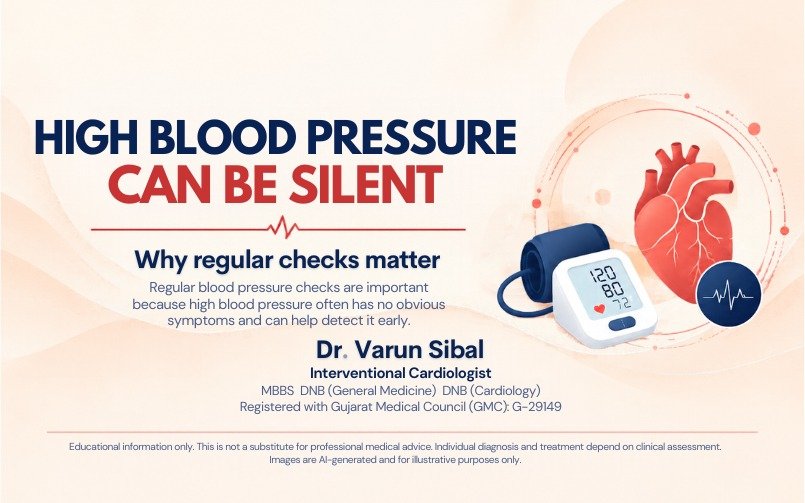
Quick Answer: Why Are Regular Blood Pressure Checks Important?
High blood pressure, also known as hypertension, often develops without noticeable symptoms. You may feel completely healthy while your blood pressure remains dangerously elevated over time. Regular blood pressure checks help doctors identify this condition early. Consequently, they can assess your risks and recommend appropriate management. If left uncontrolled, hypertension increases your risk of heart disease, stroke, and kidney disease. Checking your blood pressure offers a simple, quick, and non-invasive solution. Because symptoms alone fail to reliably identify hypertension, regular measurement plays a vital role in preventive healthcare.
Introduction: When Feeling Healthy Does Not Tell the Whole Story
Many people associate health problems with noticeable warning signs like pain, dizziness, or breathlessness. However, some medical conditions develop quietly. They cause no obvious changes in how you feel.
High blood pressure represents one such condition. You might continue your daily activities, work, exercise, and socialize without ever realizing that your blood pressure consistently exceeds recommended levels.
Understanding the Hidden Risks
Blood pressure refers to the force your circulating blood exerts against your artery walls. When this pressure remains elevated over time, it places additional strain on your heart and blood vessels.
The main difficulty lies in the fact that hypertension usually fails to produce specific symptoms. Waiting until discomfort develops often delays your diagnosis and appropriate management. This article explains what high blood pressure means and why regular checks matter. It also outlines how to measure it correctly and what steps you can take to support your cardiovascular health.
Table of Contents
- What Is High Blood Pressure?
- Why Do Doctors Call High Blood Pressure a Silent Condition?
- How Uncontrolled Blood Pressure Affects Your Health
- Who Should Check Their Blood Pressure Regularly?
- How to Measure Blood Pressure Correctly
- What You Should Do If Your Blood Pressure Is High
- How You Can Help Maintain Healthy Blood Pressure
- Frequently Asked Questions
What Is High Blood Pressure?
Blood pressure measures the force your blood exerts against your artery walls as your heart pumps. A blood pressure reading contains two numbers, which medical professionals usually write in millimeters of mercury (mmHg).
1. Systolic Blood Pressure
The upper number represents the pressure inside your arteries when your heart contracts and pumps blood.
2. Diastolic Blood Pressure
The lower number represents the pressure inside your arteries when your heart relaxes between beats.
For example, a reading of 120/80 mmHg means the systolic pressure sits at 120 mmHg and the diastolic pressure sits at 80 mmHg. Your blood pressure naturally changes throughout the day. Physical activity, stress, sleep, and medicines all alter the numbers. Therefore, a single measurement rarely captures your true, usual blood pressure.
Hypertension generally refers to blood pressure that remains above the recommended range. Doctors typically consider repeated measurements, your overall cardiovascular risk, and other medical conditions before they confirm a formal diagnosis.
Why Do Doctors Call High Blood Pressure a Silent Condition?
Doctors often call high blood pressure the “silent killer” because most people with hypertension experience no noticeable symptoms. Unlike conditions that cause immediate physical discomfort, hypertension hides for months or years unless you actively measure it.
- You May Feel Completely Normal: You might continue everyday activities without experiencing any pain. Feeling healthy does not automatically mean your blood pressure falls within the safe range.
- Symptoms Fail to Serve as Reliable Indicators: Some people with severely high blood pressure experience headaches, blurred vision, or chest discomfort. However, many other conditions cause these exact same issues. Conversely, you could have significantly elevated numbers without feeling a single symptom.
- The Effects Accumulate Over Time: When your blood pressure remains high, your heart works against greater resistance to circulate blood. Persistent pressure damages blood vessels and harms organs like the brain, kidneys, and eyes. Because these changes develop gradually, you might miss the problem until a severe complication strikes.
- Routine Measurements Identify the Problem: A blood pressure check provides clear data that symptoms alone cannot offer. Regular measurement allows your doctor to identify elevated readings early and determine if you need further assessment.
How Uncontrolled Blood Pressure Affects Your Health
Uncontrolled blood pressure harms several parts of your body. Recognizing these risks clearly explains why routine monitoring and appropriate treatment matter so much.
- Effects on the Heart: Persistently elevated blood pressure forces your heart to work much harder. Over time, this additional workload thickens your heart muscle and alters its function. Hypertension also increases your risk of coronary artery disease and heart failure.
- Increased Risk of Stroke: Prolonged uncontrolled hypertension damages the delicate blood vessels inside your brain. This damage drastically increases your risk of suffering a stroke.
- Kidney Damage: Your kidneys contain many small blood vessels that filter waste products from your blood. High blood pressure harms these tiny vessels and gradually impairs your kidney function. Kidney disease, in turn, makes your blood pressure even more difficult to control.
- Damage to Blood Vessels: High pressure damages your inner artery walls and increases your overall risk of cardiovascular disease. Over time, this affects your general blood circulation.
- Effects on Vision: High blood pressure harms the small blood vessels supplying your retina. Consequently, severe hypertension can negatively affect your vision.
Who Should Check Their Blood Pressure Regularly?
Adults should incorporate blood pressure monitoring into their routine healthcare. Some individuals need more frequent checks based on their age, medical history, and specific risk factors.
- Adults Attending Routine Health Check-Ups: You should ask your healthcare professional to measure your blood pressure periodically during standard medical visits.
- People With a Family History of Hypertension: Having close family members with high blood pressure increases your likelihood of developing the condition. Regular monitoring helps you catch changes early.
- Individuals With Diabetes or Kidney Disease: Diabetes and kidney disease increase your risk of cardiovascular complications. Therefore, strict blood pressure management plays a vital role in your overall health.
- People With Previously Elevated Readings: If your previous readings exceeded the recommended range, your doctor will likely advise frequent home monitoring.
- People Already Taking Blood Pressure Medication: If you receive treatment for hypertension, you must monitor your numbers regularly. This helps your doctor assess if your medication works appropriately.
How to Measure Blood Pressure Correctly
Measuring blood pressure involves a straightforward procedure. However, several outside factors easily influence the reading. Using the correct technique ensures accurate results.
- Step 1: Prepare Before the Measurement
Avoid smoking, consuming caffeine, or exercising for 30 minutes before taking a measurement. Empty your bladder and sit quietly for five minutes before you begin. - Step 2: Sit in the Correct Position
Sit in a comfortable chair that supports your back. Keep your feet flat on the floor. Uncross your legs and relax completely without talking. - Step 3: Position Your Arm Properly
Rest your arm on a flat table so the cuff aligns with your heart level. Place the cuff directly on your bare upper arm. Ensure you use a cuff of the correct size to obtain a reliable result. - Step 4: Take More Than One Reading
When checking your numbers at home, take two readings about one minute apart. Record both results accurately. - Step 5: Discuss the Readings With Your Doctor
Never rely on a single reading to diagnose hypertension. If you notice repeatedly elevated readings, share your complete record with your healthcare professional.
What You Should Do If Your Blood Pressure Is High
An elevated reading does not always mean you have persistent hypertension. Physical activity, anxiety, pain, caffeine, and simple measurement errors sometimes skew the result. However, you should never ignore repeated high readings.
Confirming the Numbers
If your reading appears higher than usual, sit quietly and repeat the measurement using the correct technique. Record the results rather than trusting your memory of a single number. If your readings remain elevated across multiple measurements, consult a qualified healthcare professional. Your doctor will assess your cardiovascular risk and review your medical history.
Following Medical Advice
If your doctor officially diagnoses you with hypertension, take your prescribed medicines exactly as directed. Attend all recommended follow-up appointments. Never stop, reduce, or increase your medication just because you feel well or because you see one normal reading on your home monitor.
When to Seek Urgent Care
A reading above 180/120 mmHg indicates severe elevation and requires prompt medical attention. If you see a reading in this range, wait one minute and repeat the test. If it remains that high, contact a healthcare professional immediately. Furthermore, if severe chest pain, shortness of breath, weakness, or vision changes accompany that high reading, seek emergency medical care immediately.
How You Can Help Maintain Healthy Blood Pressure
Regular monitoring helps immensely, but healthy daily habits also play a significant role in managing your numbers.
Dietary and Physical Adjustments
- Reduce Excess Salt: Consuming too much sodium spikes blood pressure in many individuals. Limit your added salt and reduce your consumption of highly processed, packaged foods.
- Choose a Balanced Diet: Include fresh vegetables, fruits, whole grains, and pulses in your daily meals. A balanced eating pattern directly supports your cardiovascular health.
- Remain Physically Active: Regular physical activity improves your heart health. Choose exercises that safely match your current fitness level and medical condition.
- Maintain a Healthy Weight: Gradual, sustainable weight management helps lower blood pressure and improves your overall health significantly.
Lifestyle and Medical Management
- Avoid Tobacco and Limit Alcohol: Tobacco use aggressively increases your cardiovascular risk. Avoiding tobacco and limiting your alcohol intake protects your heart.
- Manage Stress and Prioritize Sleep: Active stress management and regular, sufficient sleep support your body. Add relaxation activities and maintain a consistent sleep schedule.
- Take Prescribed Medication Consistently: Lifestyle changes add incredible value, but some people still need medication to reach their target range. Take your medicines exactly as prescribed and discuss any side effects directly with your doctor.
Frequently Asked Questions
- 1. Can I Have High Blood Pressure Without Any Symptoms?
- Yes. Most people with hypertension experience absolutely no noticeable symptoms. Regular measurement provides the only reliable way to identify the problem.
- 2. How Often Should I Check My Blood Pressure?
- Your frequency depends on your age, previous readings, and specific risk factors. Follow your healthcare professional’s direct recommendations regarding how often you need to check your numbers.
- 3. Is One High Blood Pressure Reading Enough to Diagnose Hypertension?
- Usually, no. Your numbers rise temporarily because of stress or physical activity. Doctors use repeated measurements taken on different occasions to confirm a true hypertension diagnosis.
- 4. Can High Blood Pressure Affect My Heart Even If I Feel Healthy?
- Yes. Persistent hypertension forces your heart to overwork and damages your blood vessels over time. This internal damage happens even when you feel completely fine.
- 5. Can Lifestyle Changes Help Lower My Blood Pressure?
- Yes. Reducing excess salt, eating a balanced diet, staying physically active, and avoiding tobacco firmly support blood pressure control.
- 6. Should I Stop My Medication if My Readings Become Normal?
- No. Normal readings usually indicate that your current treatment works perfectly. Do not stop or change your prescribed medication without consulting your doctor first.
- 7. Can Young Adults Develop High Blood Pressure?
- Yes. Hypertension easily occurs in young adults. Family history, lifestyle factors, and certain medical conditions contribute to elevated numbers regardless of your age.
In compliance with National Medical Commission guidelines, clinical establishments and Registered Medical Practitioners publishing electronic media posts must transparently disclose the practitioner’s name, qualifications, registration status, and State Medical Register (SMR) or National Medical Register (NMR) number. This educational material serves strictly for public health education and awareness. It provides objective, verifiable information without promoting personal practice, soliciting patients, or making unverifiable medical claims.
By Dr. Varun Sibal
Qualifications: MBBS, DNB (General Medicine), DNB (Cardiology)
Registration Status: Interventional Cardiology
Medical Registration No.: G-29149
Hospital: BIMS Hospital, Bhavnagar, Gujarat
This article provides general educational information about high blood pressure. It never acts as a substitute for individual medical advice, clinical diagnosis, or prescribed treatment. A professional must interpret your blood pressure readings in the context of your medical history and overall cardiovascular risk.Never start, stop, or change your prescribed medication based on this article. Consult a qualified healthcare professional if your readings remain repeatedly elevated. If you experience severe chest pain, sudden breathlessness, weakness, difficulty speaking, or vision changes, seek emergency medical care immediately. This educational article promotes public awareness and does not guarantee specific treatment outcomes.
Have questions about your care?
Contact Dr Varun Sibal to learn more about your care options and arrange a consultation.