Coronary Angiogram: How Do Doctors Check the Heart Arteries?

Quick Answer: What Does a Coronary Angiogram Show?
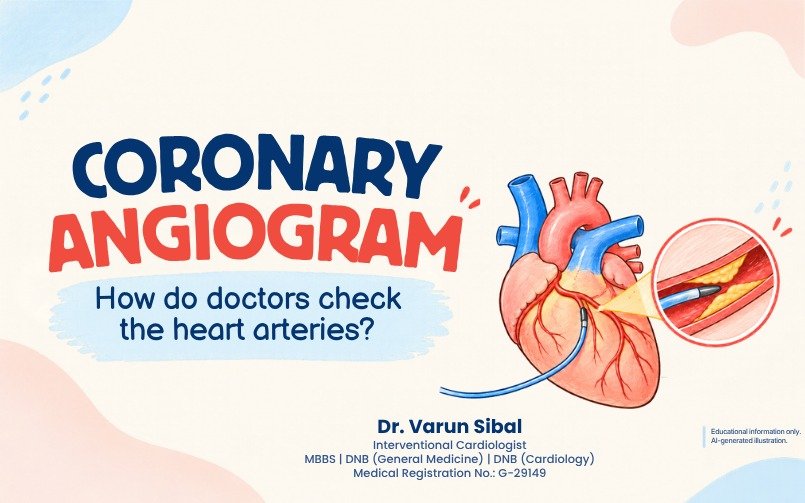
A coronary angiogram helps doctors look directly at the arteries supplying blood to your heart. During this specialized X-ray test, the doctor guides a thin, flexible tube (catheter) through an artery in your wrist or groin. They then inject a contrast dye. This dye makes your heart arteries visible on X-ray screens. The resulting images help your doctor find narrowed or blocked arteries and decide if you need further treatment. However, having this test does not automatically mean you need a stent or surgery. Your doctor will plan the best next steps based on these images, your symptoms, and your overall health.
Introduction: Looking Inside Your Heart Arteries
When you experience chest discomfort, breathlessness during exercise, or other concerning symptoms, your cardiologist might recommend further tests. Depending on your situation, they might suggest an ECG, an echocardiogram, or a stress test.
Sometimes, doctors need to look directly at your heart arteries. To do this, they recommend a coronary angiogram. Naturally, you might wonder why you need this procedure, how doctors perform it, and what the results actually mean.
Understanding this test helps you feel more prepared. It also allows you to participate actively in your healthcare decisions. This article explains how the procedure works, why doctors recommend it, and how they use the results to plan your care.
Table of Contents
- What Is a Coronary Angiogram?
- Why Do Doctors Recommend This Test?
- How Do Doctors Perform the Procedure?
- How Should You Prepare for an Angiogram?
- What Happens After the Angiogram?
- Understanding the Risks and Safety
- Understanding Your Results
- Frequently Asked Questions
What Is a Coronary Angiogram?
Doctors use a coronary angiogram (also called invasive coronary angiography) to see the blood vessels that supply oxygen to your heart muscle. Medical professionals call these vessels the coronary arteries.
How Plaque Affects Your Arteries
Over time, fatty deposits and cholesterol can build up inside your artery walls. This buildup can narrow your arteries and reduce blood flow. If a blood clot completely blocks a coronary artery, it causes a heart attack.
How the X-Ray Imaging Works
During the procedure, the doctor injects a contrast dye into your coronary arteries using a long, thin tube. A special X-ray camera takes pictures as the dye flows through your blood vessels. These pictures show the cardiologist exactly where blockages exist and how severe they are.
Unlike a standard chest X-ray, this test shows the clear inside outlines of your heart arteries. It helps doctors answer specific questions about your heart health when they need a closer look. You should also know that this procedure differs from a CT coronary angiogram. A CT scan uses an external machine and an IV line, whereas this conventional test requires the doctor to insert a small tube directly into your artery.
Why Do Doctors Recommend This Test?
Cardiologists do not require this test for every patient who experiences chest pain. Your doctor will consider your symptoms, medical history, and previous test results before they recommend it.
Persistent or Suspected Cardiac Chest Pain
Chest discomfort has many possible causes, including lung issues, muscle strain, or digestive problems. When your doctor suspects that narrowed heart arteries cause your pain, they will likely order this test to confirm the diagnosis.
Abnormal Results from Other Cardiac Tests
Your previous tests, like an ECG or an exercise stress test, might show warning signs. To investigate these warning signs fully, your cardiologist uses an angiogram to get a definitive look at your arteries.
Suspected Heart Attack
When your symptoms and clinical findings suggest a severe heart event, like a heart attack, doctors perform this test urgently. It helps them find the blocked artery quickly and determine if you need immediate life-saving treatment.
How Do Doctors Perform the Procedure?
Hospitals perform coronary angiography in a specialized room called a cardiac catheterization laboratory (or cath lab). The medical team monitors you carefully through several steps.
Step 1: Initial Assessment and Preparation
First, the medical team reviews your health history, current medicines, and allergies. They check your blood tests to ensure your kidneys function well. The team will also give you specific instructions about fasting.
Step 2: Numbing the Area
You lie flat on an examination table and remain awake during the test. The doctor cleans the skin near your wrist or groin and injects a local numbing medicine. Because of this medicine, you will not feel sharp pain when they start the procedure.
Step 3: Inserting the Catheter
The doctor inserts a small device into the numb artery. Through this device, they carefully guide a thin, flexible tube (the catheter) up to your heart. They use X-ray screens to guide the tube safely to the opening of your coronary arteries.
Step 4: Injecting the Contrast Dye
Once the tube reaches the correct spot, the doctor injects the contrast dye. You might feel a brief, warm flush spread through your body. You should tell the team immediately if you feel unusual discomfort.
Step 5: Capturing the Images
The X-ray camera moves around you to record images from different angles as the dye flows. The cardiologist studies these images to spot any narrowed areas. Afterward, the doctor removes the tube and presses firmly on your wrist or groin to stop any bleeding.
How Should You Prepare for an Angiogram?
You must follow your hospital’s preparation instructions to ensure your safety. Your exact requirements depend on your medical condition and the daily medicines you take.
- Share your medication list: Tell your medical team about all the medicines you take, especially blood thinners and diabetes medicines.
- Report allergies: Inform your doctor about any past allergic reactions to contrast dye, iodine, or other medicines.
- Discuss your health history: Tell your doctor if you have kidney disease, diabetes, or previous heart procedures.
- Follow fasting rules: Follow the hospital’s exact instructions regarding when to stop eating and drinking before the test.
- Manage your medicines correctly: Ask your treating team which medicines you should take on the morning of the procedure. Never stop taking prescribed medicines unless your doctor tells you to do so.
- Plan your transport: Arrange for someone to drive you home, as the hospital will not allow you to drive yourself immediately after the procedure.
What Happens After the Angiogram?
After the test finishes, the medical team moves you to a recovery area. They watch you closely for bleeding and monitor your vital signs.
Monitoring Your Recovery
Your recovery time depends on whether the doctor used your wrist or your groin. If they used your groin, you must lie completely flat for a few hours. Many patients go home the exact same day, while others stay overnight.
Reviewing the Results
If the images show healthy, open arteries, your doctor will look for other causes of your chest pain. They might order different types of medical tests.
If the doctor finds narrowed arteries, your management plan depends on how severe the narrowing is. They might prescribe new medicines and suggest healthy lifestyle changes.
If the doctor finds a severely blocked artery, they might recommend a procedure to open it (angioplasty and stenting) or heart bypass surgery. Sometimes, they perform the stent procedure immediately during the same angiogram session. They will discuss this possibility with you before the test begins.
Understanding the Risks and Safety
Doctors consider coronary angiography a safe, standard procedure. However, because it involves entering your blood vessels, it carries some risks. Your cardiologist will weigh the benefits against these risks before they recommend the test.
Potential Complications
- Bleeding or bruising: You might experience bruising or slight bleeding where the doctor inserted the tube.
- Blood vessel injury: The tube can sometimes scratch or damage the blood vessel.
- Allergic reactions: You might experience an allergic reaction to the contrast dye.
- Kidney stress: The contrast dye requires your kidneys to work harder to filter it out. This poses a risk mainly for patients who already have kidney disease.
- Rare serious events: In very rare cases, the procedure can trigger a heart attack or a stroke.
When to Seek Immediate Help
When you go home, follow the medical team’s instructions regarding resting and drinking plenty of water. Call your doctor immediately if the puncture site bleeds heavily, swells, or hurts severely. You should also seek help if your arm or leg feels unusually cold, pale, or numb.
Understanding Your Results
The images from your test provide vital information, but your doctor must look at the big picture. Finding a narrowed artery does not automatically mean you need surgery. Your cardiologist considers the angiogram results alongside your daily symptoms and overall health.
You should ask your doctor these questions to understand your health better:
- What exactly did the pictures show about my heart arteries?
- Do any blockages severely restrict blood flow to my heart muscle?
- Can we treat this with medicines and lifestyle changes, or do I need a procedure?
- What are the specific benefits and risks of your recommended treatment?
- What steps should I take at home to prevent my arteries from narrowing further?
Frequently Asked Questions
- 1. Is a Coronary Angiogram Painful?
- The doctor numbs your wrist or groin with local medicine, so you should not feel sharp pain. You might feel a brief sting from the numbing needle, some pressure when they insert the tube, or a warm flush when they inject the dye.
- 2. Does Every Angiogram End With a Stent?
- No. An angiogram simply looks for problems. Your doctor only uses a stent if they find a severe blockage that requires immediate opening. Many patients just need new medicines.
- 3. How Long Does the Test Take?
- The actual test takes about 30 to 60 minutes. However, your total hospital visit will take several hours because the staff needs time to prepare you and monitor your recovery.
- 4. Is This the Same as a CT Coronary Angiogram?
- No. A CT angiogram uses an external scanner and an IV line in your arm. This conventional angiogram requires the doctor to thread a long tube inside your artery all the way to your heart.
- 5. Can I Return to Normal Activities Immediately?
- No. You must rest after the procedure. The hospital will give you specific rules about driving, heavy lifting, and exercising for the next few days. You must follow their discharge instructions carefully.
In compliance with National Medical Commission guidelines, clinical establishments and Registered Medical Practitioners publishing electronic media posts must transparently disclose the practitioner’s name, qualifications, registration status, and State Medical Register (SMR) or National Medical Register (NMR) number. This educational material serves strictly for public health education and awareness. It provides objective, verifiable information without promoting personal practice, soliciting patients, or making unverifiable medical claims.
By Dr. Varun Sibal
Qualifications: MBBS, DNB (General Medicine), DNB (Cardiology)
Registration Status: Interventional Cardiology
Medical Registration No.: G-29149
Hospital: BIMS Hospital, Bhavnagar, Gujarat
This article provides general educational information and does not substitute for individual medical advice, clinical diagnosis, or prescribed treatment. Your doctor must decide if you need this test based on your unique symptoms and medical history. Never start, stop, or change prescribed medicines based on this article.Seek emergency medical attention immediately if you experience severe chest pain, sudden breathlessness, or fainting. Professional disclosure: This article promotes public education about coronary angiography. It does not guarantee treatment outcomes and cannot replace an in-person consultation with a qualified medical professional.
Have questions about your care?
Contact Dr Varun Sibal to learn more about your care options and arrange a consultation.